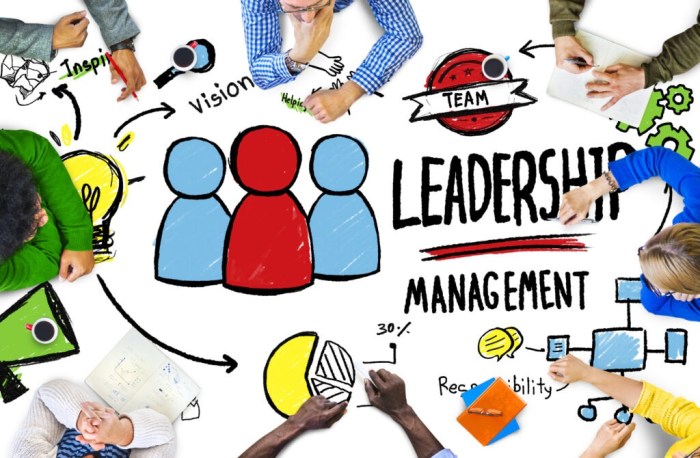
Step into the world of leadership training for managers, where the path to creating exceptional leaders is paved with knowledge, skills, and dedication. As organizations strive for excellence, the role of effective leadership becomes paramount, shaping the future of success and growth.
In this journey, we will explore the key components, benefits, challenges, and education options surrounding leadership training for managers, providing valuable insights and strategies for leadership development.
Introduction to Leadership Training for Managers
Leadership training for managers involves providing education and skills development to individuals in leadership positions within organizations. This training aims to enhance their ability to lead teams effectively, make strategic decisions, and drive organizational success.Providing leadership training to managers is crucial for the overall success of an organization. Well-trained managers can inspire and motivate their teams, improve employee engagement, foster innovation, and drive productivity.
Additionally, leadership training helps managers develop essential skills such as communication, problem-solving, and decision-making, which are vital for effective leadership.
Importance of Leadership Training for Managers
- Improved Employee Engagement: Managers who receive leadership training are better equipped to engage and motivate their teams, leading to higher productivity and job satisfaction.
- Enhanced Decision-Making Skills: Training helps managers develop critical thinking and decision-making skills, enabling them to make informed and strategic decisions for the organization.
- Effective Communication: Leadership training teaches managers how to communicate effectively with their teams, fostering a positive work environment and reducing misunderstandings.
Examples of Companies Prioritizing Leadership Training
- Google: Known for its strong focus on employee development, Google provides extensive leadership training programs to its managers to empower them with the skills needed to lead diverse teams.
- Amazon: Amazon invests heavily in leadership development programs for its managers, emphasizing the importance of continuous learning and growth to drive innovation and success.
- Apple: Apple’s leadership training initiatives are designed to cultivate a culture of leadership excellence, ensuring that managers have the necessary skills to drive the company’s vision and goals.
Key Components of Leadership Training
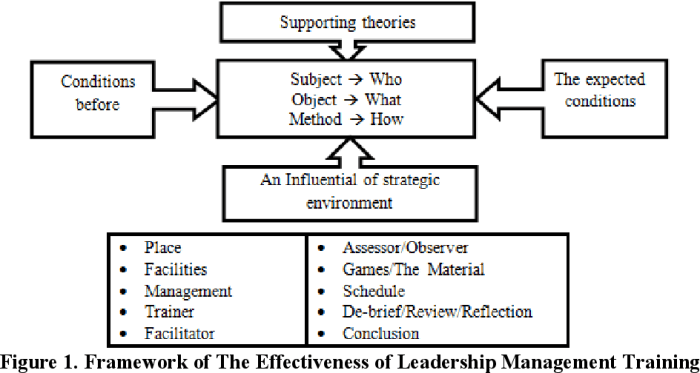
Effective leadership training for managers should encompass a variety of essential skills and techniques to develop their abilities to lead and inspire their teams. One crucial aspect of leadership training is the focus on emotional intelligence, which plays a significant role in effective leadership. Additionally, incorporating techniques such as role-playing, case studies, and simulations can provide managers with practical experience and enhance their decision-making and problem-solving skills.
Essential Skills in Leadership Training Programs for Managers
- Communication skills: Managers need to effectively communicate with their team members to ensure clarity and alignment towards common goals.
- Decision-making skills: Training should focus on helping managers make informed decisions under pressure and uncertainty.
- Conflict resolution: Managers should be equipped with the skills to manage conflicts within their teams constructively.
- Strategic thinking: Developing the ability to think strategically and anticipate future challenges is essential for effective leadership.
Role of Emotional Intelligence in Effective Leadership Training
Emotional intelligence is crucial in leadership as it enables managers to understand and manage their emotions and those of their team members. By developing emotional intelligence, managers can build strong relationships, motivate their teams, and navigate challenging situations with empathy and resilience.
Leadership Training Techniques
- Role-playing: Simulating real-life scenarios can help managers practice leadership skills in a safe environment and receive feedback for improvement.
- Case studies: Analyzing and discussing case studies can provide managers with insights into different leadership styles and approaches to problem-solving.
- Simulations: Immersive simulations can challenge managers to make decisions under pressure and experience the consequences of their actions in a controlled setting.
Benefits of Leadership Training for Managers
Leadership training for managers offers numerous advantages to organizations that invest in it. Not only does it enhance the skills and capabilities of individual managers, but it also has a positive impact on the overall performance and success of the company.
Improved Employee Retention and Motivation
- Leadership training equips managers with the necessary tools to effectively lead and inspire their teams.
- Managers who undergo training are better equipped to communicate effectively, provide feedback, and support their employees.
- This leads to higher levels of employee satisfaction, engagement, and motivation, ultimately reducing turnover rates.
Enhanced Organizational Performance
- Well-trained managers are better equipped to make informed decisions, solve problems, and drive innovation within their teams.
- Effective leadership results in improved productivity, higher quality output, and better overall performance of the organization.
- Leadership training helps create a positive work culture that fosters collaboration, creativity, and continuous improvement.
Success Stories
Company X implemented a comprehensive leadership training program for its managers and saw a significant increase in employee engagement and retention rates. This led to a boost in overall productivity and a positive impact on the company’s bottom line.
Company Y invested in leadership training for its senior management team, resulting in improved communication, better decision-making, and a more cohesive work environment. This ultimately led to enhanced employee morale and a stronger competitive position in the market.
Challenges in Implementing Leadership Training
Implementing leadership training programs for managers can be a challenging task for organizations. From resistance to change to lack of resources, there are several obstacles that can hinder the successful implementation of such initiatives. However, with the right strategies and commitment, these challenges can be overcome to create a culture of effective leadership within the organization.
Common Obstacles Faced by Organizations
- Lack of Leadership Buy-In: Some organizations may struggle to get buy-in from senior leadership to invest in leadership training programs.
- Resistance to Change: Managers and employees may resist changing their leadership styles or habits, making it difficult to implement new training initiatives.
- Resource Constraints: Limited budget, time, or expertise can pose challenges in designing and delivering effective leadership training programs.
Strategies to Overcome Resistance
- Communicate the Benefits: Clearly communicate the benefits of leadership training to all stakeholders to gain their support and buy-in.
- Provide Continuous Support: Offer ongoing coaching, feedback, and resources to help managers apply their new skills in the workplace.
- Lead by Example: Encourage senior leaders to participate in training programs to set a positive example for the rest of the organization.
Examples of Companies Successfully Navigating Challenges
- Google: Google invests heavily in leadership development programs and encourages a growth mindset among its managers, leading to a culture of continuous learning and improvement.
- General Electric (GE): GE is known for its leadership development initiatives, including the renowned GE Leadership Development Program, which has produced many successful executives over the years.
- IBM: IBM offers a variety of leadership training programs tailored to different levels of management, promoting a culture of leadership excellence across the organization.
Education and Reference
In the realm of leadership training for managers, there are various types of programs available to enhance their skills and capabilities. These programs can be instrumental in shaping effective leaders who can drive organizational success.
Types of Leadership Training Programs
- Online Leadership Training Courses: These programs offer flexibility and convenience for managers to enhance their leadership skills remotely. They often include interactive modules, videos, and assessments to ensure effective learning.
- In-Person Workshops: In-person workshops provide a more immersive and interactive learning experience for managers. They allow for real-time feedback, networking opportunities, and hands-on practice of leadership skills.
Role of Certifications in Leadership Training
- Certifications play a crucial role in enhancing the credibility of leadership training programs for managers. They validate the knowledge and skills acquired through the program and demonstrate a commitment to continuous learning and development.
- Having certifications from recognized institutions or accrediting bodies can also boost the manager’s credibility within the organization and in the industry, opening up new opportunities for career advancement.
Outcome Summary
In conclusion, leadership training for managers is not just a program but a transformative experience that empowers individuals and organizations to reach new heights of success. By investing in the development of strong leaders, companies can secure a competitive edge and foster a culture of innovation and growth.
FAQ Explained
What are the key components of effective leadership training programs for managers?
Effective leadership training programs for managers should include essential skills like communication, decision-making, and conflict resolution. They should also focus on emotional intelligence and leadership techniques such as role-playing and simulations.
How does leadership training contribute to employee retention and motivation?
Leadership training enhances employee retention and motivation by improving communication within teams, fostering a positive work environment, and providing opportunities for growth and advancement.
What are some common challenges faced by organizations when implementing leadership training for managers?
Common challenges include resistance to change, lack of resources, and difficulty in measuring the effectiveness of training programs. Strategies to overcome these challenges involve clear communication, stakeholder engagement, and continuous evaluation.